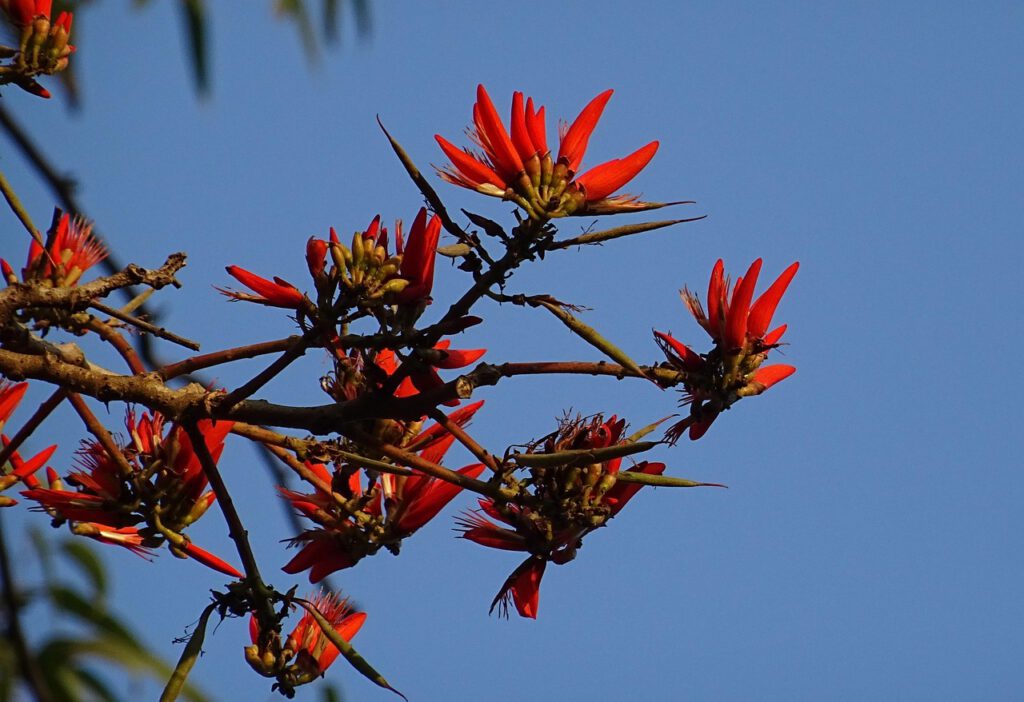
Lancering 3 nieuwe pakketten op Zoetermeerse cadeaumarkt, 29 november in de Dorpsstraat

Hoi allemaal! Vergeef ons, ook wij willen reclame maken voor onze producten terwijl jullie waarschijnlijk al helemaal gek worden van alle BlackFriday-, Sint- en kerstaanbiedingen. Alleen draag je met onze producten niet zozeer bij aan overconsumptie, maar aan bosbescherming en je eigen gezondheid. Stiekem leren ze je ook een beetje hoe je je eigen omgeving op kan eten, als je maar weet waar je zoeken moet. Bovendien krijgen drie gelukkige winnaars deze zaterdag hun boscadeaupakket helemaal gratis!

Om onze ambities kracht bij te zetten, lanceren we zaterdag 29 november 3 nieuwe cadeaupakketjes:

  • Wildplukkers winter: 4 blikjes met gedroogde bloesems en kruiden die je normaal in de lente vindt.
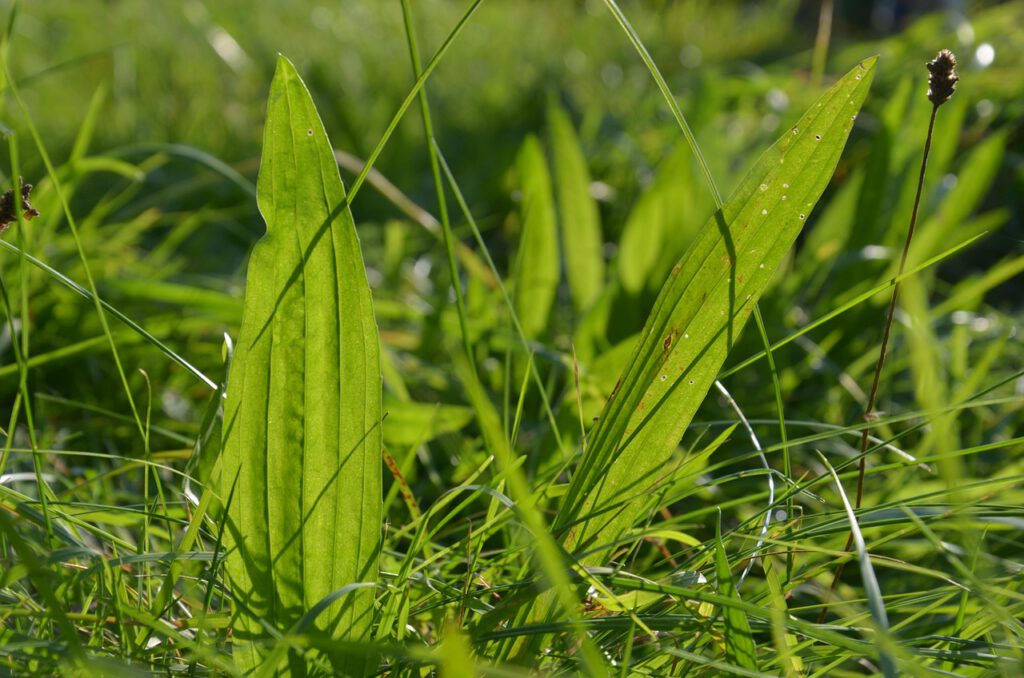
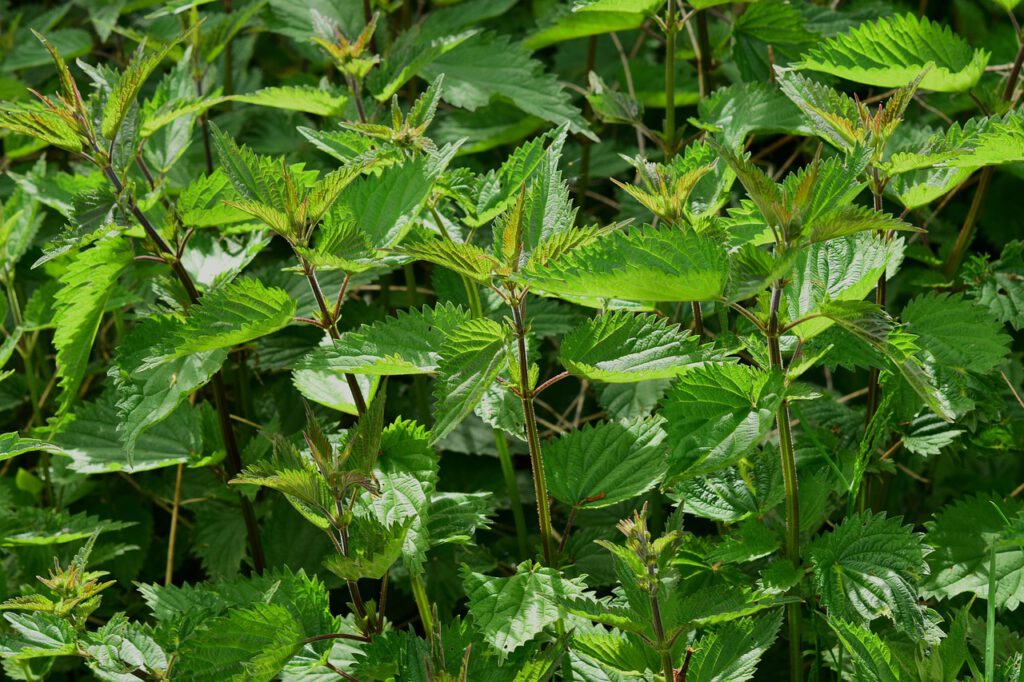
    Tijdens de cadeaumarkt koop je de vier blikjes niet voor 16 euro maar voor 12,50 euro! Dit pakket bevat thee van vier planten die je bijna overal in Nederland kan vinden: weegbree, brandnetel, meidoornbloesem en lindebloesem. Nu zijn ze uit het seizoen, maar wij helpen je de winter door! Volgend jaar kan je ze zelf gaan plukken, maar nu kan je ze vast veilig proeven: biologisch, goed gedroogd en zonder ongenode extraatjes als vossenplas of hondenpoep.

    Thee-instructies staan op het doosje, maar onthoud altijd: geniet, maar drink met mate. Allevier worden ze traditioneel gebruikt voor uiteenlopende kwaaltjes, maar wij drinken ze vooral omdat ze lekker zijn. Eén of twee kopjes per thee per dag is prima, maar neem eerst contact op met een arts als je ze medicinaal wil gaan gebruiken of als je zwanger bent.

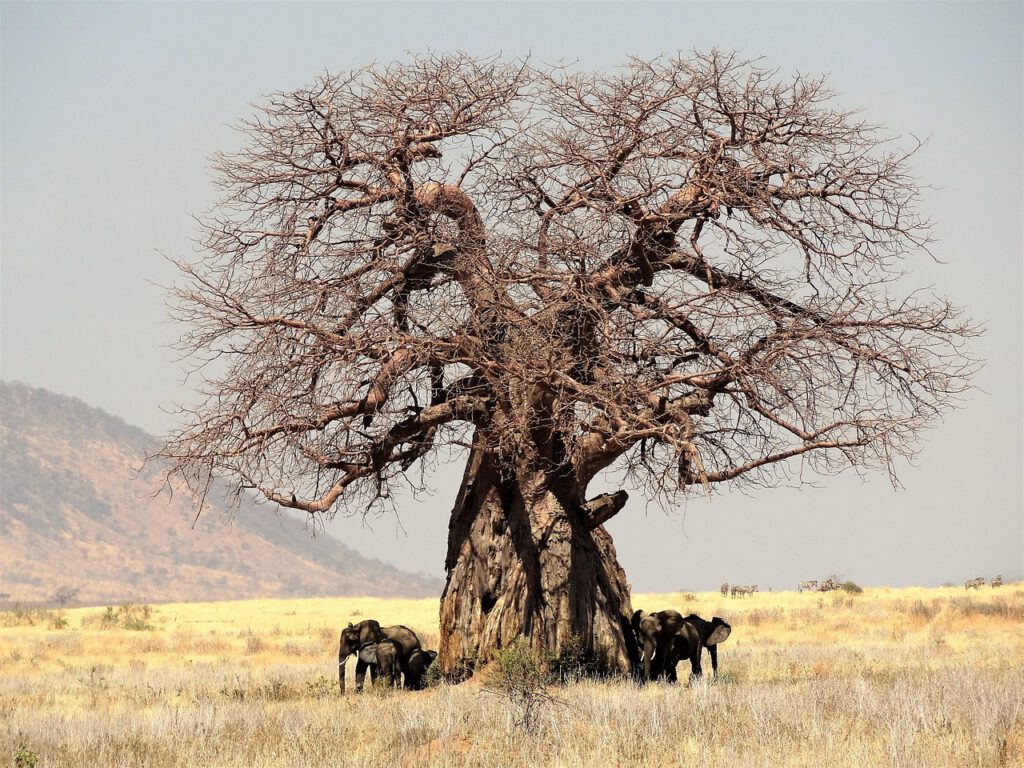
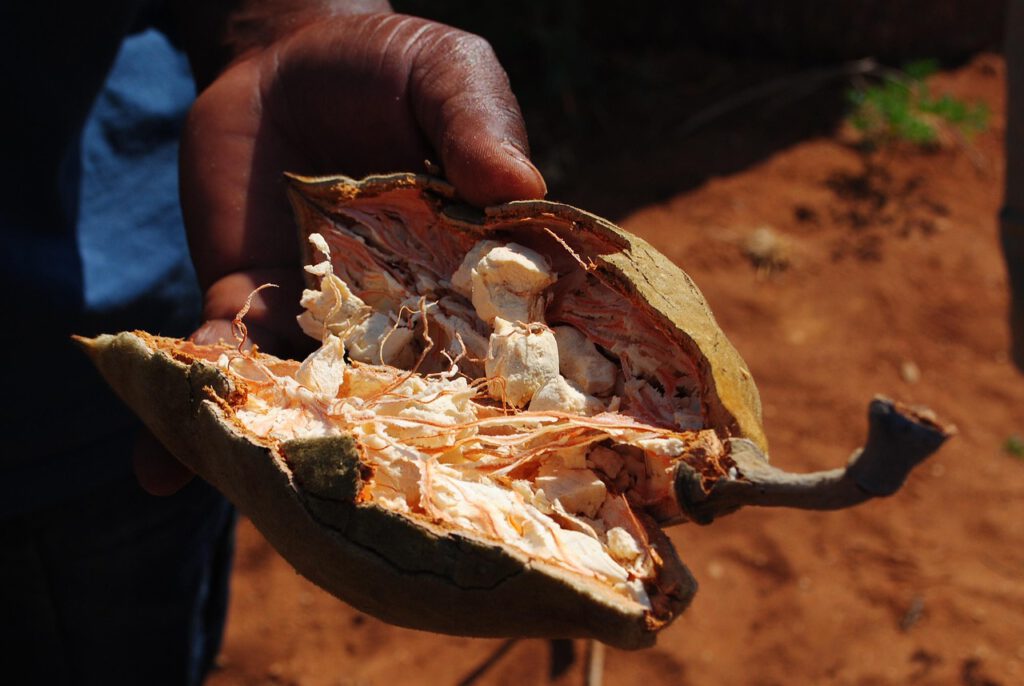
  • Baobab Booster: een blikje baobabpoeder, een blikje Zumbami-thee en een potje pure wilde Zambiaanse boshoning. Geen 12 euro, maar maar 10,- (daar houden we volgend jaar echt mee op…)
    Allemaal supergezond, en superlekker! Het baobabpoeder – dit keer uit Zanzibar – kan je zowel koud als warm gebruiken, met of zonder suiker of honing: in de grog, als thee, in een smoothie of in de limonade. Omdat er zoveel vitamine C in zit, heeft het al een karakteristieke zure smaak, maar je kan er altijd nog een extra schijfje citroen bij doen.

    De Zumbani thee komt uit Zambia, en wordt daar veel gebruikt voor luchtweginfecties en verkoudheden – als thee, maar ook als stoombad. Wetenschappers begrijpen wel waarom. Net als met munt en eucalyptus, kan je er ook gewoon een lekkere thee van maken. De smaak verandert naarmate je ‘m langer kookt, maar je kan ‘m ook gewoon als thee zetten: een aantal minuten in water dat net van de kook af is.

    Als je de honing in de hete thee of grog wil doen, wacht dan even tot die even tot die een beetje afgekoeld is: deze rauwe boshoning heeft veel actieve stoffen die heel goed voor je kunnen zijn, maar niet tegen overdreven hitte kunnen. (Kleine reminder: de baobab booster is dan wel supergezond, maar geef geen echte honing aan kinderen jonger dan 1 jaar oud.)
  • Groene December Wensen: het ultieme kerstpakket! Van 23 Euro voor 15 euro + donatie naar keuze
    De echte kerstboom 2.0: een bonsaisetje met zaden van een boom uit het bijzondere Zambiaanse miombo-bos, plus een donatie aan de Minamba Research Farm waar we onderzoek doen naar manieren om dat bos te beschermen. Met de aankoop van het bonsaisetje draag je normaal al bij aan het plaatsen van een stekje in de kwekerij die we daar oprichten, maar je kan natuurlijk ook een extra donatie doen waarmee de ontvanger van dit kerstpakket korting kriigt op een adoptieboom naar keuze.

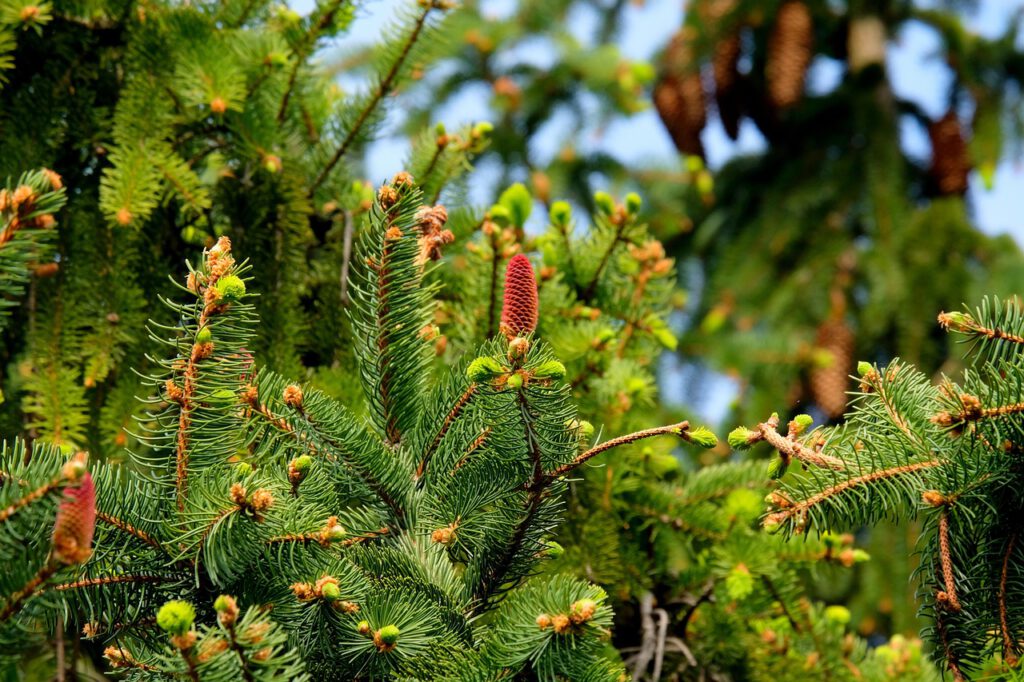
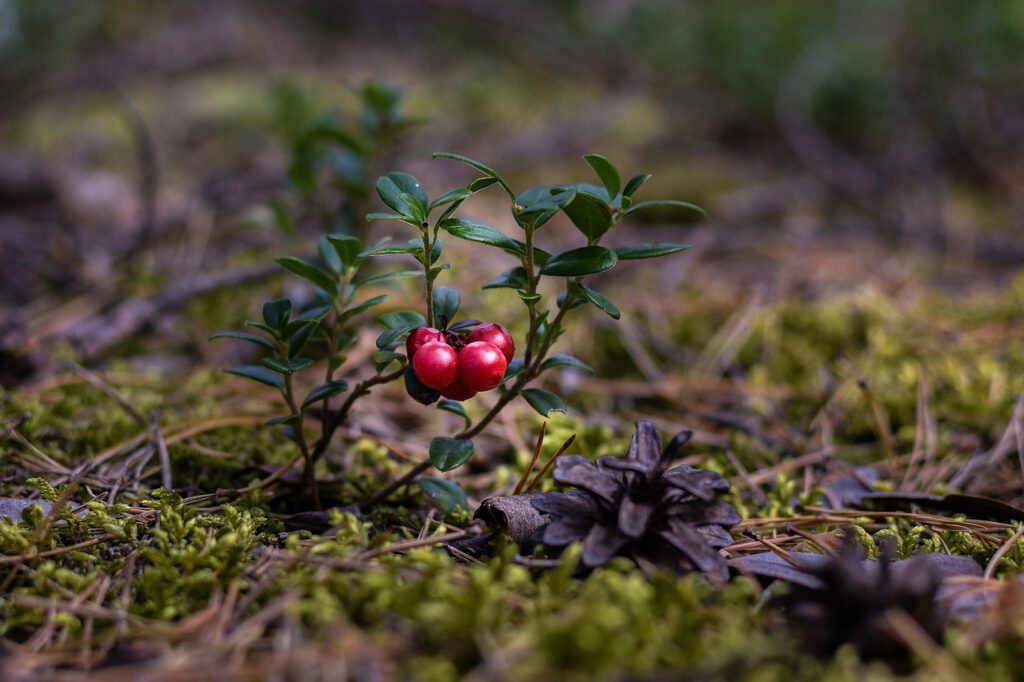
    Om echt in december-sfeer te blijven en de ontvanger zelf ook goed te verwennen in deze barre wintertijden, zit er in dit pakket ook een blikje biologische cranberry’s en een blikje dennennaalden thee. Heel erg lekker om te drinken, heel erg lekker om te ruiken en nog vol met vitamine C ook!
LOTERIJ!
Om 12.00, 14.00 en 16.00 verloten we een van deze pakketten. Wil je meedingen? Koop iets voor die tijd, laat je naam en emailadres achter op de lijst met inschrijvingen voor de nieuwsbrief EN gooi een briefje met je naam in de kalebas. Op de genoemde tijden vragen we een willekeurige voorbijganger daar de winnaar uit te trekken. Ben je er op dat moment niet? Dan sturen we je een mailtje en kan je je prijs later op komen halen.

Meer weten over de cadeaumarkt? check https://dorpsstraatzoetermeer.nl/cadeau-versmarkt/
Hidden Fruits #4: our Masuku!

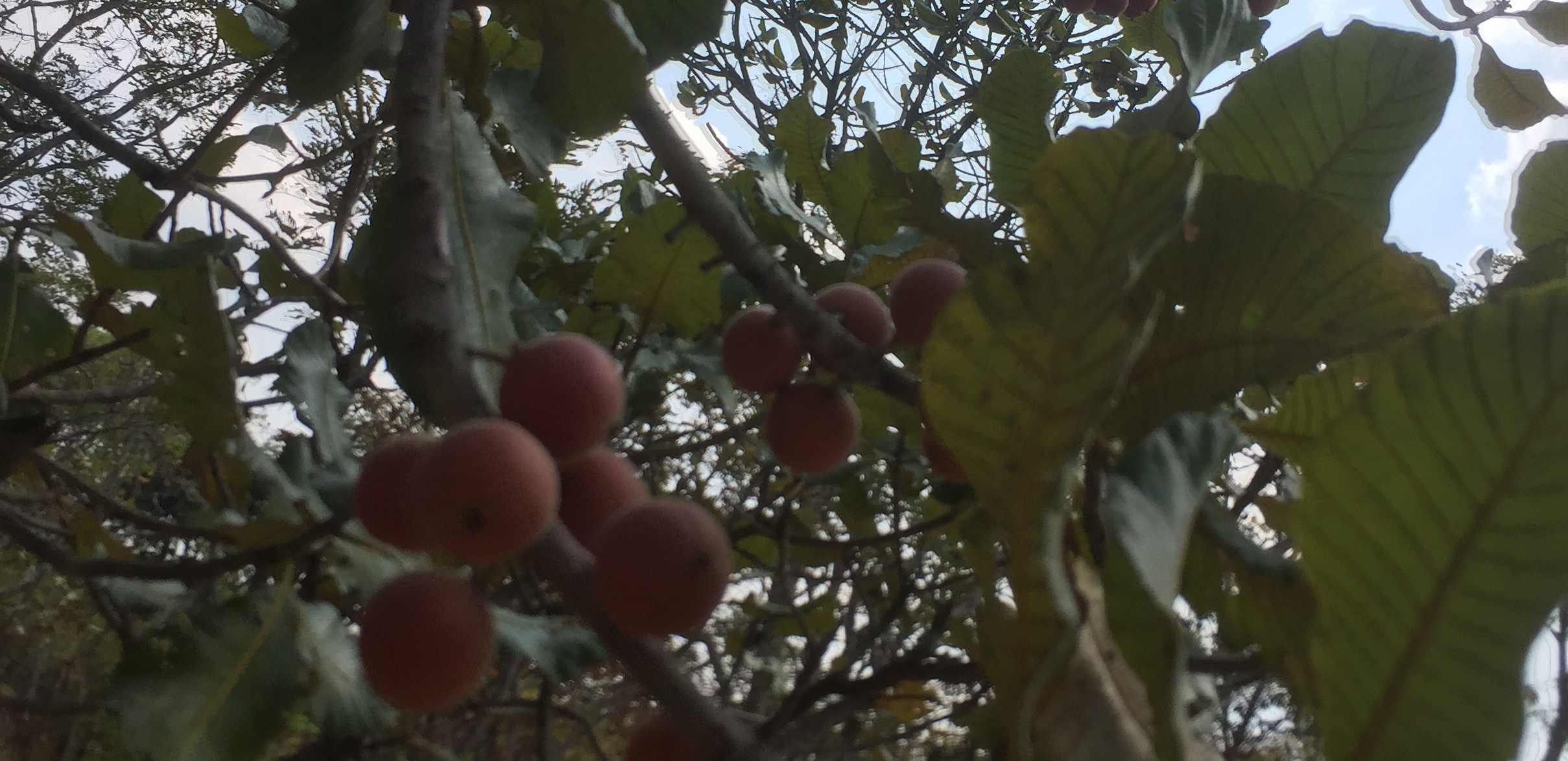
masuku chilonga by deshThis is one of our latest assets: a fruiting Musuku, at full glory, at our new garden in Chilonga, Zambia. Otherwise known as the ‘Uapaca kirkiana’, ‘sugar plum’, ‘mazhanje’,  ‘chilundu’, ‘muhaka’, ‘kabofa’, ‘mazanje’, umhobohobo’, ‘mpotopoto’, ‘mahobohobo’ or simply ‘nsuku’, its thirty+ varieties are amongst the most popular wild fruits of Central, Eastern & Southern Africa. Not only do they provide a rich source of nutrition in places where food production can be generally poor, it’s also an appreciated source of fodder, honey, dye, cockroach repellent, wrapping materials, timber, charcoal and medicine.

Popular fruits

Whereas ‘musuku’ is the name of the tree, its fruits are called ‘masuku’. Eaten fresh, pounded into a drink or turned into a jam, butter, wine or syrup, they are one of the most popular fruits of the Miombo woodlands. Hundred grams of these fresh wild loquats gives you about a remarkable 11.8 mg of iron, joining forces with a extra-ordinary 16.8 mgs of vitamin C. Plus a 123 Kcalories, 0.3 grams of protein, 0.4 grams of fat, 2.1 grams of fibre, 17 mg of calcium, 39 mg of magnesium, 15 mg of phosphorus, 375 mg potassium and 10 mg of sodium. Yet, they are mostly liked for their juicy bite and sweet beautiful taste.

Uapaca_kirkiana

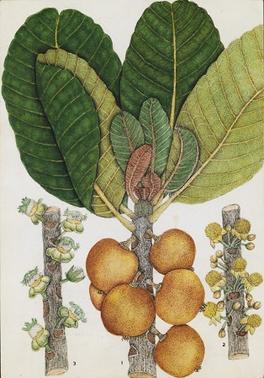
Plate depicting Uapaca kirkiana Müll.Arg. from “Trees of Central Africa” (1956)

The fruits grow on female trees of 5–13 meters with dark green, glossy leaves which are hardly ever attacked by pests, in areas with over 600 mm of rain per year. As they prefer well drained sand or soils low in organic matter, their presence indicates a poor agricultural soil. Yet, their presence will help improve the agriculture underneath as it helps preserve the soil it grows on.  It is useful in watershed management, provides good shade and forms a mutual association with the mycorrhizae that help other species develop well.

Many ways to feed a farmer

Besides providing fruits, the Musuku has other ways of providing food for people and animals: ashes from its wood are used for seasoning food, its flowers are valuable for honey production and its leaves are used as fodder for livestock, and are eaten by the bug ‘Encosternum delegoruri’, an important source of protein and money. If you want to eat the bug, and not have the bug eat (all of your) tree, you may want to harvest a few.

Apart from being eaten, its broad leaves are als used as wrappers for storage of processed food and are used as a cockroach repellent in homes. The roots are used to make a blue dye, and an infusion to treat indigestion and dysentery.  Perhaps unfortunately, the red wood of the masuku provides a good red fairly termite resistant timber as well as a good source for charcoal, too. To preserve this important tree from being chopped down, it’s worth realising it needs to develop about ten years before it gives its full harvest of fruits. By that time, sales of its fruits will far outweigh the short term financial gains from prematurely taking its woods.

‘I can come to no other conclusion than that Dr. Livingstone is out of his mind
and a most unsafe leader’, Sir John Kirk 1862

Sir John Kirk (1832-1922)

As usual, the tree has been known to local people long before it was named by Western recognised botanists. They derived  ‘Uapaca’ from the Malagasy name ‘voa-paca’ used for the Madagascar species; U. thouarsii, which was the 1st member of the genus to be scientifically described by Ballion. The specific epithet ‘kirkiana’ was given in honour of Sir John Kirk (1832-1922), explorer and naturalist, and companion to explorer David Livingstone, whom he did not highly recommend. ‘I can come to no other conclusion than that Dr. Livingstone is out of his mind and a most unsafe leader’, he wrote in 1862.

JohnKirk1908

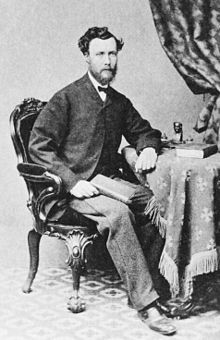
Sir John Kirk in 1908 (December 19, 1832 – January 15, 1922)

Kirk later became a British administrator in Zanzibar, where he was allegedly instrumental in ending the slave trade. Apart from the masuku, his name was also given to a lizard (the Agama kirkii), an amphibian (Kirk’s caecilian, Scolecomorphus kirkii) and a monkey – the Zanzibar red colobus, a.k.a. ‘Kirk’s red colobus’ (Procolobus kirkii). 

Sources:

  • National Academies Press 2008, ‘Lost Crops of Africa: Volume III: Fruits’
  • Wikipedia, ‘Uapaca kirkiana’ and ‘John Kirk (explorer)’, October 1 2017
  • Food and Agriculture Organization of the United Nations 2013, ‘Nutrient composition of selected indigenous fruits from sub-Saharan Africa’
  • Forests, Trees and Livelihoods, Moombe  & Co. 2014, ‘Consumer preferences for Uapaca kirkiana fruits in Zambia’
  • World of AgroForestry, Uapaca kirkiana
  • ICRAF 2008, ‘Pest Management in Miombo Fruit Trees’

Photo: Masuku fruiting in our Chilonga garden, September 2017, by Desh Chisukulu